

As a supplier of ESS battery prices, I often get asked about the price differences between batteries for distributed energy storage systems and centralized ones. It's a hot topic, especially as more and more people are jumping on the renewable energy bandwagon. Let's dig into this and see what we can find out.
First off, let's understand the basics. A distributed energy storage system is like a bunch of smaller energy storage units spread out in different locations. They're usually connected to local power grids or even individual buildings. On the other hand, a centralized system is a big, single unit that stores energy on a large scale for an entire region or area.
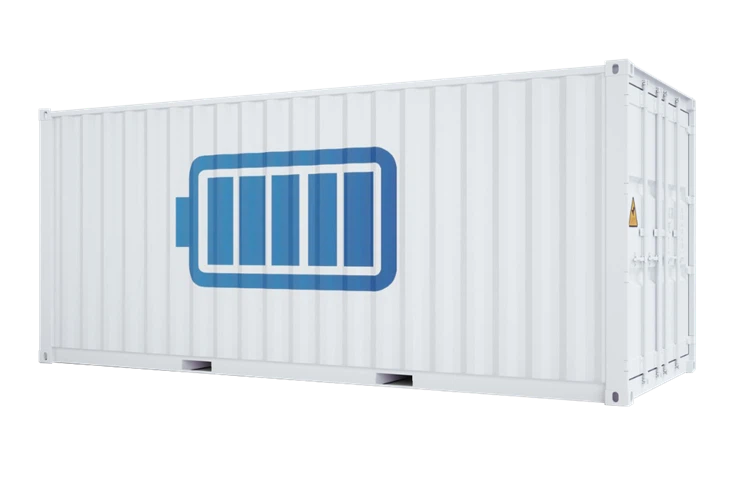
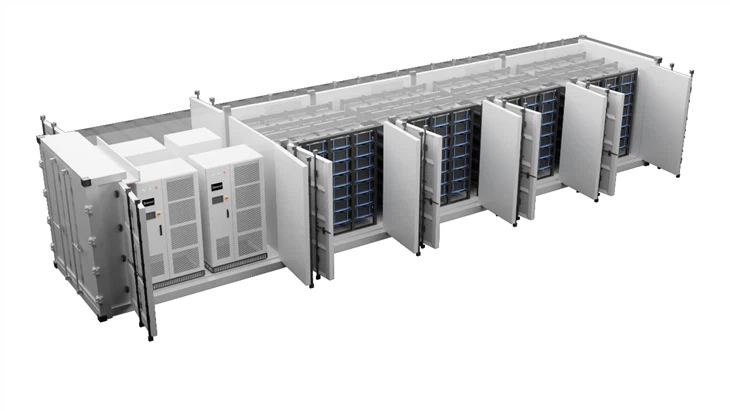
Now, when it comes to the price of ESS batteries for these two systems, there are quite a few factors at play. One of the main things that affects the cost is the scale of production. Centralized systems usually require a much larger battery capacity, which means suppliers can often offer better prices due to economies of scale. When you're producing batteries in bulk, the cost per unit tends to go down. For example, making a large - scale lithium ion battery ess container for a centralized system might work out cheaper per kilowatt - hour compared to making a bunch of smaller ess module battery units for distributed systems.
But it's not all about the scale. The complexity of installation and integration also plays a huge role. Distributed energy storage systems are more spread out, which means more installation points and potentially more complex wiring and communication setups. Each of these additional installation steps adds to the overall cost. You've got to send technicians to multiple sites, and they might face different challenges at each location. Meanwhile, a centralized system is a single installation, and the configuration is often more straightforward.
Another factor is the technology requirements. Distributed systems may need more advanced battery management systems (BMS) to ensure that each individual unit is operating efficiently and safely. These sophisticated BMS can be quite expensive to develop and implement. In contrast, centralized systems may rely on a single, large - scale BMS that can be optimized for the whole system, potentially reducing costs.
Let's talk about the actual price comparison numbers. On average, for a given capacity, the cost per kilowatt - hour of a battery for a centralized system is generally lower. However, it can vary widely depending on the specific requirements of the project. For smaller distributed systems, especially those for residential or small - commercial use, the cost per kilowatt - hour can be higher. This is because the fixed costs associated with development, testing, and marketing are spread over fewer units.
For instance, let's say we look at a ESS Battery Pack for a centralized system. With the benefits of large - scale production and a less complex installation, the price might be around $X per kilowatt - hour. But for a distributed system, where the installation is more fragmented and the technology requirements are different, that same battery pack could cost $X + Y per kilowatt - hour.
However, there are also some advantages to distributed systems that can offset the higher battery costs. They offer better reliability and resiliency. If one unit in a distributed system fails, it doesn't take down the whole operation. In a centralized system, a single issue can have a much more widespread impact. Also, distributed systems can be more easily expanded as the energy needs of individual users grow.
Moreover, in some cases, the local grid conditions and regulations can influence the price equation. In areas where there are incentives for distributed energy storage, the effective cost of the batteries can be significantly reduced. Grants, tax breaks, or feed - in tariffs can make investing in a distributed system more attractive, even though the upfront battery cost might be higher.
When making a decision between a distributed and a centralized energy storage system based on battery prices, it's important to take a long - term view. Consider not only the initial cost of the batteries but also the total cost of ownership over the lifetime of the system. This includes maintenance, replacement, and the potential revenue from selling excess energy back to the grid.
In conclusion, while centralized systems generally have an edge in terms of lower upfront battery costs, distributed systems offer unique benefits that might justify the higher price tag in some situations. If you're in the market for an ESS battery and are trying to decide between a distributed and a centralized system, we're here to help. We've got a wealth of experience and a wide range of products to meet your needs. Whether you need ess module battery, ESS Battery Pack, or lithium ion battery ess container, we can provide detailed price information and customized solutions. Don't hesitate to reach out and start a conversation about your energy storage requirements. We're eager to work with you to find the best, most cost - effective solution for your project.
References:
- Industry reports on energy storage system costs
- Research papers on the economics of distributed vs. centralized energy storage
- Data from battery manufacturers and suppliers on production costs and price trends