

ESS batteries, or Energy Storage System batteries, are a cornerstone of modern energy management, especially in an era where renewable energy sources like solar and wind are becoming increasingly prominent. As an ESS battery supplier, I've witnessed firsthand the challenges and opportunities that come with deploying these systems, particularly in hot climates. In this blog, I'll delve into how ESS batteries work in hot climates, the unique considerations, and the solutions we offer to ensure optimal performance.
Understanding ESS Batteries
Before we explore their operation in hot climates, let's briefly understand what ESS batteries are. An ESS Battery System is designed to store electrical energy for later use. It can be charged during periods of low electricity demand or when renewable energy sources are producing excess power, and then discharged when demand is high or when renewable energy production is low. These systems are crucial for stabilizing the grid, providing backup power, and enabling the integration of more renewable energy into the electrical grid.
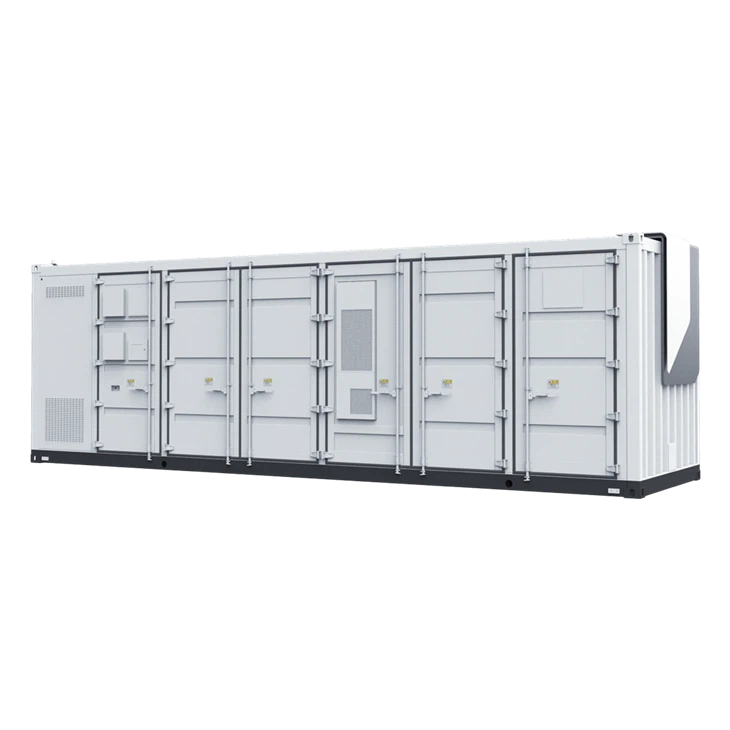
The most common type of ESS battery is the lithium-ion battery, which offers high energy density, long cycle life, and relatively low self-discharge rates. Our lithium ion battery ess container is a prime example of a reliable and efficient ESS solution. It houses multiple ess module battery units, which work together to store and release energy as needed.
Challenges of Hot Climates
Hot climates present several challenges for ESS batteries. One of the most significant issues is the impact of high temperatures on battery performance and lifespan. Lithium-ion batteries, in particular, are sensitive to heat. High temperatures can accelerate the chemical reactions inside the battery, leading to increased self-discharge rates, reduced capacity, and faster degradation of the battery cells.
Another challenge is the increased cooling requirements. To maintain optimal operating temperatures, ESS batteries need to be cooled effectively. In hot climates, this can be a significant energy drain, reducing the overall efficiency of the system. Additionally, the high ambient temperatures can put additional stress on the cooling components, increasing the risk of system failures.
How ESS Batteries Work in Hot Climates
Despite these challenges, ESS batteries can still operate effectively in hot climates with the right design and management strategies. Here's how:
Thermal Management
Effective thermal management is crucial for ensuring the performance and longevity of ESS batteries in hot climates. Our ESS Battery System incorporates advanced thermal management technologies to keep the battery cells within the optimal temperature range. This includes the use of cooling systems such as air conditioning, liquid cooling, or a combination of both.
Air conditioning systems are relatively simple and cost-effective, but they may not be sufficient in extremely hot climates. Liquid cooling systems, on the other hand, offer more precise temperature control and can remove heat more efficiently. Our lithium ion battery ess container is equipped with a state-of-the-art liquid cooling system that circulates a coolant through the battery modules to dissipate heat.
Battery Management System (BMS)
A Battery Management System (BMS) is an essential component of any ESS battery. It monitors the battery's state of charge, temperature, and other parameters, and ensures that the battery operates within safe and optimal conditions. In hot climates, the BMS plays a crucial role in protecting the battery from overheating and other thermal-related issues.
Our BMS is designed to continuously monitor the temperature of each battery module and adjust the cooling system accordingly. It can also detect and prevent overcharging, over-discharging, and short-circuiting, which can all be exacerbated by high temperatures.
Battery Chemistry and Design
The choice of battery chemistry and design can also have a significant impact on the performance of ESS batteries in hot climates. Some lithium-ion battery chemistries are more tolerant of high temperatures than others. For example, lithium iron phosphate (LiFePO4) batteries are known for their excellent thermal stability and long cycle life, making them a popular choice for ESS applications in hot climates.
In addition to the battery chemistry, the design of the battery module and the overall ESS system can also affect its performance in hot climates. Our ess module battery is designed with a modular architecture that allows for easy maintenance and replacement of individual battery cells. This design also helps to improve the overall thermal management of the system by allowing for better airflow and heat dissipation.
Solutions for Hot Climates
As an ESS battery supplier, we offer a range of solutions to address the challenges of hot climates. Our ESS Battery System is designed to be highly efficient, reliable, and resilient in extreme temperatures. Here are some of the key features of our system:

High-Temperature Tolerance
Our lithium-ion batteries are specifically designed to operate in high-temperature environments. They are made with advanced materials and chemistries that can withstand temperatures up to [X] degrees Celsius without significant degradation in performance.
Advanced Cooling Systems
Our ESS Battery System is equipped with advanced cooling systems that can effectively remove heat from the battery modules. These systems are designed to be energy-efficient and reliable, ensuring that the battery operates within the optimal temperature range at all times.
Remote Monitoring and Management
We offer a remote monitoring and management system that allows our customers to monitor the performance of their ESS batteries in real-time. This system provides detailed information about the battery's state of charge, temperature, and other parameters, allowing for proactive maintenance and troubleshooting.
Customized Solutions
We understand that every customer's needs are unique, especially in hot climates. That's why we offer customized solutions that are tailored to the specific requirements of each project. Our team of experts can work with you to design an ESS battery system that meets your energy storage needs and provides optimal performance in your local climate.
Conclusion
ESS batteries are a critical component of the modern energy landscape, and their performance in hot climates is crucial for the successful integration of renewable energy sources. As an ESS battery supplier, we are committed to providing our customers with high-quality, reliable, and efficient solutions that can withstand the challenges of extreme temperatures.
If you're interested in learning more about our ESS Battery System or discussing your energy storage needs, we invite you to contact us for a free consultation. Our team of experts is ready to help you find the right solution for your project.
References
- [List of relevant scientific papers, industry reports, or other sources of information used in the blog]