

As a dedicated supplier of ess module battery, I've received numerous inquiries regarding the vibration resistance of our products. This is a critical concern, especially for applications where the energy storage system (ESS) may be subject to various levels of vibration, such as in mobile energy storage units, transportation, or industrial settings with heavy machinery. In this blog, I'll delve into the science behind our ESS module batteries' ability to withstand vibration, the testing procedures we employ, and the real - world implications of vibration resistance.
The Science Behind Vibration Resistance
To understand whether an ESS module battery can withstand vibration, we first need to look at the internal structure of the battery. Our ess module battery is typically composed of multiple lithium - ion cells. These cells are connected in series and parallel configurations to achieve the desired voltage and capacity. The key to vibration resistance lies in the secure connection of these cells and the overall mechanical design of the module.
Lithium - ion cells are sensitive to mechanical stress. Vibration can cause the internal components of the cell, such as the electrodes and separators, to shift or even damage. This can lead to short - circuits, reduced capacity, and ultimately, battery failure. To prevent this, we use high - quality materials and advanced manufacturing techniques.
The electrodes in our lithium - ion cells are firmly attached to the current collectors. We use a special adhesive that not only provides a strong bond but also has some degree of flexibility to absorb minor vibrations. The separators are made of materials with high mechanical strength and are carefully placed to prevent any contact between the electrodes during vibration.
In addition, the module housing is designed to provide a rigid and protective enclosure for the cells. It is made of a durable material that can withstand external forces and distribute the vibration evenly across the module. This helps to reduce the stress on individual cells and ensures the overall integrity of the battery.
Testing Procedures
We take the vibration resistance of our ess module battery very seriously. To ensure that our products meet the highest standards, we conduct a series of rigorous vibration tests.
Random Vibration Testing
Random vibration testing simulates the real - world vibration environment that the battery may encounter. The battery module is placed on a vibration table, and a random vibration profile is applied. This profile is based on the vibration data collected from various applications, such as transportation and industrial settings. The test typically lasts for several hours, and the battery is continuously monitored for any signs of damage or performance degradation.
Resonance Testing
Resonance is a phenomenon where the natural frequency of the battery module matches the frequency of the external vibration. This can cause the amplitude of the vibration to increase significantly, leading to potential damage. To identify the natural frequencies of our battery modules, we conduct resonance testing. The module is gradually excited at different frequencies, and the response is measured. Once the natural frequencies are identified, we can take measures to avoid resonance in real - world applications.
Shock Testing
In addition to continuous vibration, the battery may also be subject to sudden shocks. Shock testing is used to evaluate the battery's ability to withstand these sudden impacts. The battery module is dropped from a certain height onto a hard surface, and the internal structure and performance are examined after the impact.

Real - World Implications
The vibration resistance of our ess module battery has significant real - world implications. In transportation applications, such as electric vehicles and mobile energy storage units, the battery is constantly exposed to vibration. A battery that cannot withstand vibration may experience premature failure, which can lead to safety hazards and costly repairs.
In industrial settings, heavy machinery can generate high - levels of vibration. An ESS module battery used in these environments needs to be able to operate reliably without being affected by the vibration. Our vibration - resistant batteries ensure continuous power supply and reduce the risk of downtime.
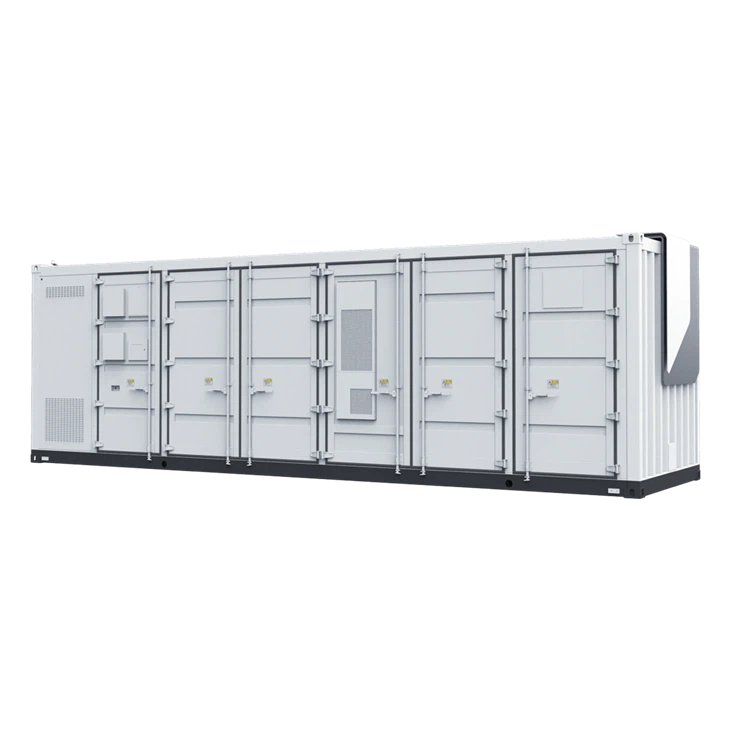
For lithium ion battery ess container applications, where multiple battery modules are integrated into a single container, the vibration resistance of each module is crucial. A single failing module can affect the performance of the entire container and the overall ESS Battery System. Our high - quality batteries help to maintain the stability and efficiency of the entire energy storage system.
Conclusion
In conclusion, our ess module battery is designed and tested to withstand vibration. Through advanced materials, manufacturing techniques, and rigorous testing procedures, we ensure that our batteries can operate reliably in various vibration - prone environments. Whether you are in the transportation, industrial, or energy storage container industry, our vibration - resistant batteries can provide you with a safe and efficient power solution.
If you are interested in our ess module battery or have any questions regarding vibration resistance, please feel free to contact us for procurement and further discussions. We are committed to providing you with the best energy storage solutions tailored to your specific needs.
References
- "Battery Management Systems for Large Lithium - Ion Battery Packs" by Johan B. G. Janssen
- "Lithium - Ion Batteries: Science and Technologies" edited by Yoshio Nishi, Akiya Koyama, and Masaki Yoshio