

Can a Stackable Lithium Power Pack Be Used in Cold Weather?
As a supplier of stackable lithium power packs, I often receive inquiries from customers about the performance of our products in cold weather. This is a crucial question, as many applications, such as outdoor equipment, electric vehicles in winter, and off - grid power systems in cold regions, require reliable power sources that can withstand low temperatures. In this blog, I will delve into the scientific aspects of using stackable lithium power packs in cold weather and provide some practical insights.
The Impact of Cold Weather on Lithium Batteries
Lithium batteries, including stackable lithium power packs, are sensitive to temperature. At low temperatures, several physical and chemical processes within the battery are affected.
Reduced Chemical Reaction Rates: Lithium - ion batteries rely on chemical reactions to store and release energy. In cold weather, the kinetic energy of the molecules involved in these reactions decreases. This leads to a slower movement of lithium ions between the anode and the cathode. As a result, the battery's ability to charge and discharge efficiently is reduced. For example, the charge acceptance rate of a lithium battery can drop significantly at temperatures below freezing, meaning it takes longer to charge the battery to its full capacity.
Increased Internal Resistance: Cold temperatures cause an increase in the internal resistance of the battery. This is due to the reduced conductivity of the electrolyte and the slower movement of ions. Higher internal resistance leads to more energy being dissipated as heat during charging and discharging. As a consequence, the battery's efficiency decreases, and the available power output is reduced. In extreme cold, the increased internal resistance can even cause the battery to overheat during high - current discharges, which poses a safety risk.
Capacity Loss: Prolonged exposure to cold weather can cause a temporary or even permanent loss of battery capacity. The slowdown of chemical reactions and the increased internal resistance can prevent the battery from fully utilizing its available energy. In some cases, the formation of lithium plating on the anode can occur at low temperatures, which can damage the battery structure and lead to a long - term reduction in capacity.
Stackable Lithium Power Packs in Cold Weather
Stackable lithium power packs offer several advantages in cold - weather applications, but they also face unique challenges.
Advantages:
- Modularity: Stackable power packs can be configured to meet the specific power requirements of different applications. In cold weather, where the battery's performance may be reduced, the ability to stack multiple packs allows users to increase the overall capacity and power output. For example, in a remote monitoring system in a cold climate, multiple stackable power packs can be combined to ensure continuous operation.
- Thermal Management Options: Some stackable lithium power packs are designed with built - in thermal management systems. These systems can help maintain the battery's temperature within an optimal range, even in cold weather. For instance, heating elements can be integrated into the battery pack to warm up the cells when the temperature drops, improving the battery's performance.
Challenges:
- Uniform Temperature Distribution: When multiple battery packs are stacked, ensuring uniform temperature distribution becomes crucial. Cold spots within the stack can lead to uneven performance and premature aging of the batteries. Proper insulation and ventilation design are necessary to minimize temperature differences between the individual packs.
- Compatibility with Cold - Weather Chargers: Charging stackable lithium power packs in cold weather requires chargers that are specifically designed to operate at low temperatures. Standard chargers may not function properly or may even damage the battery due to the reduced charge acceptance rate at low temperatures.
Strategies for Using Stackable Lithium Power Packs in Cold Weather
To ensure the reliable operation of stackable lithium power packs in cold weather, the following strategies can be employed:
Pre - heating: Before using the battery pack in cold weather, pre - heating it to a suitable temperature can significantly improve its performance. This can be achieved using external heating devices or the built - in thermal management system of the battery pack.
Proper Insulation: Insulating the battery pack can help reduce heat loss and maintain a more stable temperature. Materials such as foam or thermal blankets can be used to wrap the battery pack, especially in extremely cold environments.
Adjusting Charging Parameters: Chargers should be adjusted to account for the reduced charge acceptance rate at low temperatures. This may involve reducing the charging current or increasing the charging time to prevent overcharging and damage to the battery.
Monitoring and Maintenance: Regularly monitoring the battery's temperature, voltage, and capacity is essential in cold weather. This allows for early detection of any performance issues and enables timely maintenance or replacement of the battery packs.
Real - World Applications and Case Studies
Many industries rely on stackable lithium power packs in cold - weather conditions. For example, in the industrial sector, industrial lithium ion battery packs are used in forklifts and other material - handling equipment in cold warehouses. These battery packs need to provide reliable power even in sub - zero temperatures.
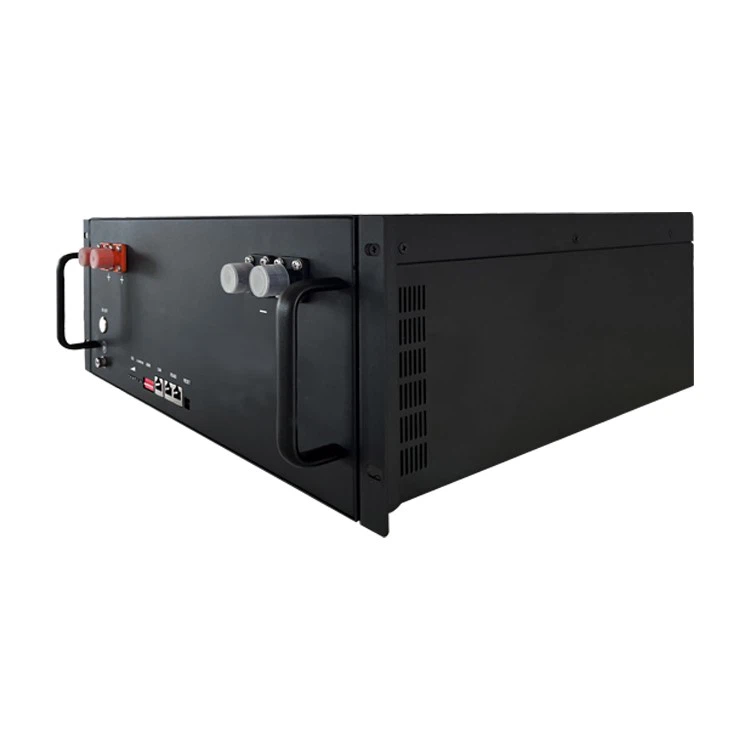
In the renewable energy sector, stackable lithium power packs are often used in off - grid solar power systems in cold regions. The Lithium Iron Phosphate Battery 48v 100ah is a popular choice for such applications due to its relatively good performance in cold weather.
The Low Voltage Lithium Ion Battery Systems are also widely used in cold - weather applications, such as electric snowmobiles and ice - fishing equipment. These systems need to be able to withstand the harsh cold and provide sufficient power for extended periods.
Conclusion
In conclusion, while stackable lithium power packs can be used in cold weather, they require careful consideration and proper management. Understanding the impact of cold temperatures on lithium batteries and implementing appropriate strategies can help ensure their reliable performance. As a supplier of stackable lithium power packs, we are committed to providing high - quality products and technical support to our customers. If you are interested in our stackable lithium power packs for cold - weather applications, please feel free to contact us for more information and to discuss your specific requirements. We look forward to working with you to find the best power solution for your needs.

References
- "Lithium - Ion Batteries: Science and Technologies" by Y. Wang and J. Zhang.
- "Battery Management Systems: Design by Modeling and Identification" by P. Pisu and R. Rizzoni.
- Industry reports on lithium battery performance in cold environments.