

Can a lithium iron phosphate home battery be used in a school? That's a question I've been getting a lot lately, and as a supplier of lithium iron phosphate home batteries, I'm excited to dive into this topic.
First off, let's talk about what lithium iron phosphate (LiFePO4) home batteries are. These batteries are a type of rechargeable battery that have gained a lot of popularity in recent years. They're known for their high energy density, long lifespan, and excellent safety features. Unlike some other types of batteries, LiFePO4 batteries are less likely to overheat or catch fire, which makes them a great option for a variety of applications.

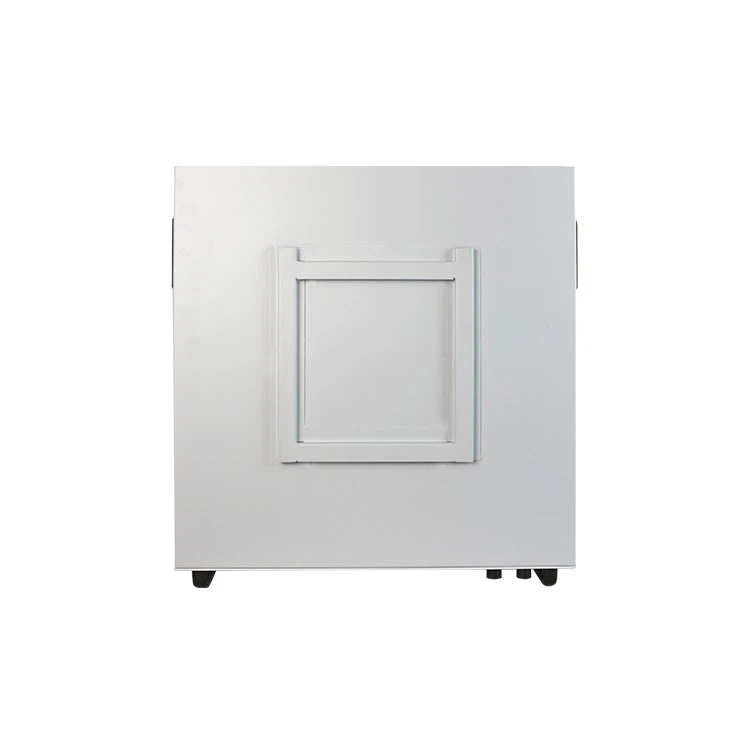
Now, let's consider the needs of a school. Schools are complex environments that require a reliable and stable power supply. There are classrooms full of computers, projectors, and other electronic devices that need to stay up and running. There are also security systems, lighting, and heating and cooling systems that are essential for the safety and comfort of students and staff.
One of the biggest advantages of using a lithium iron phosphate home battery in a school is the ability to provide backup power. Power outages can happen at any time, and they can disrupt the normal operation of a school. With a LiFePO4 battery, schools can have a reliable source of backup power that can keep critical systems running until the main power is restored. This can help prevent disruptions to classes, ensure the safety of students and staff, and protect valuable equipment.
Another benefit of LiFePO4 batteries is their efficiency. These batteries have a high charge and discharge efficiency, which means they can store and release energy more effectively than other types of batteries. This can help schools save on energy costs by reducing their reliance on the grid during peak hours. Additionally, LiFePO4 batteries can be charged using renewable energy sources such as solar panels, which can further reduce a school's carbon footprint.
But what about the cost? While LiFePO4 batteries may have a higher upfront cost compared to some other types of batteries, they offer a long lifespan and low maintenance requirements. Over the long term, this can result in significant cost savings for schools. Additionally, many schools may be eligible for government incentives or grants to help offset the cost of installing a battery system.
Now, let's take a look at some of the specific applications of lithium iron phosphate home batteries in a school setting.
Classroom Equipment
In classrooms, computers, projectors, and other electronic devices are essential for teaching and learning. A power outage can disrupt these activities and cause frustration for both teachers and students. By installing a LiFePO4 battery system, schools can ensure that these devices have a reliable source of backup power. This can help prevent data loss, keep students on track with their studies, and minimize disruptions to the learning environment.
Security Systems
Security is a top priority for schools, and a reliable power supply is essential for ensuring the proper functioning of security systems. A LiFePO4 battery can provide backup power to security cameras, access control systems, and alarms, ensuring that these systems remain operational during a power outage. This can help protect students and staff from potential threats and ensure the safety of the school environment.
Lighting and HVAC Systems
Lighting and heating, ventilation, and air conditioning (HVAC) systems are essential for creating a comfortable and productive learning environment. A power outage can cause these systems to fail, leading to discomfort for students and staff. By using a LiFePO4 battery system, schools can keep these systems running during a power outage, ensuring that the school remains a safe and comfortable place to learn.
Renewable Energy Integration
Many schools are looking to reduce their carbon footprint and increase their use of renewable energy sources. LiFePO4 batteries can be used in conjunction with solar panels or other renewable energy systems to store excess energy generated during the day. This stored energy can then be used to power the school during periods of low sunlight or high energy demand. By integrating renewable energy sources with a LiFePO4 battery system, schools can reduce their reliance on the grid and contribute to a more sustainable future.
So, can a lithium iron phosphate home battery be used in a school? The answer is a resounding yes! These batteries offer a reliable, efficient, and cost-effective solution for providing backup power and integrating renewable energy sources in a school setting.
If you're a school administrator or facilities manager interested in learning more about how a lithium iron phosphate home battery can benefit your school, I encourage you to visit our website Lithium Iron Phosphate Home Battery to learn more about our products. We also offer a 51.2v Lithium Ion Battery Backup and Lithium Iron Phosphate Battery Backup options that may be suitable for your specific needs.
We're here to help you make the best decision for your school, and we're happy to answer any questions you may have. Contact us today to start the conversation and explore how a lithium iron phosphate home battery can transform your school's energy management.
References
- "Lithium Iron Phosphate Batteries: A Comprehensive Guide." Battery University.
- "Benefits of Using Lithium Iron Phosphate Batteries in Schools." Energy Journal.
- "Renewable Energy Integration in Schools." Sustainable Schools Initiative.