

As a supplier specializing in low-voltage lithium batteries, I often encounter inquiries from customers in the medical device industry about the feasibility of using low-voltage lithium batteries in their products. This blog post aims to explore this question in depth, considering the technical, safety, and regulatory aspects involved.
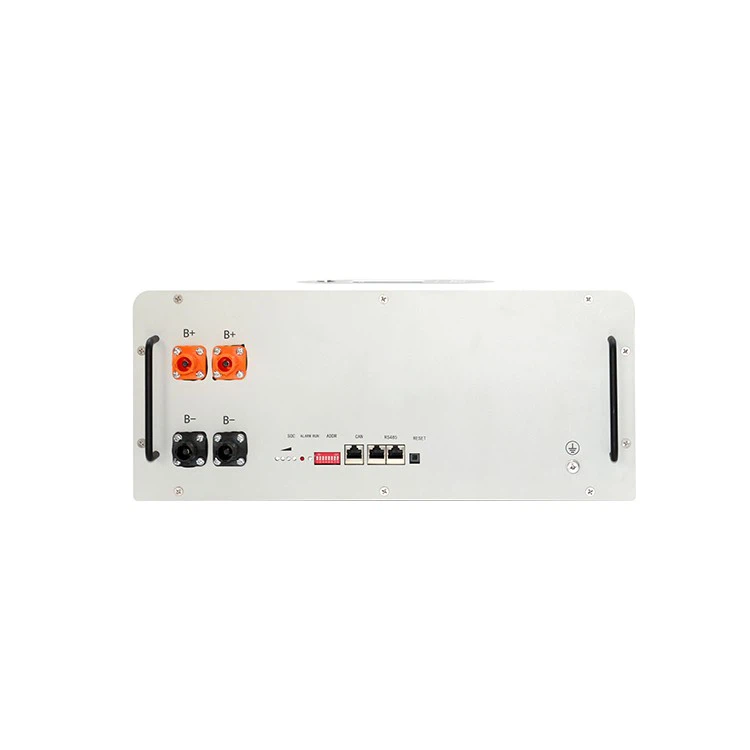

Understanding Low-Voltage Lithium Batteries
Low-voltage lithium batteries typically operate at voltages below 60V. These batteries offer several advantages, including high energy density, long cycle life, and low self-discharge rate. They are commonly used in a wide range of applications, from consumer electronics to industrial equipment.
In the context of medical devices, low-voltage lithium batteries can provide a reliable and efficient power source. They can be designed to meet the specific power requirements of medical devices, such as portable monitors, infusion pumps, and surgical instruments.
Technical Considerations
When considering the use of low-voltage lithium batteries in medical devices, several technical factors need to be taken into account.
Power Requirements
Medical devices have diverse power requirements, depending on their functionality and usage. Some devices may require a continuous power supply, while others may need intermittent power for short periods. Low-voltage lithium batteries can be customized to meet these specific power needs, ensuring optimal performance of the medical device.
Battery Life
The battery life of a low-voltage lithium battery is an important consideration, especially for portable medical devices. Longer battery life means less frequent recharging, which is crucial for patients who rely on these devices for continuous monitoring or treatment. Advanced battery management systems can help extend the battery life by optimizing the charging and discharging processes.
Safety Features
Safety is of utmost importance in the medical device industry. Low-voltage lithium batteries are equipped with various safety features, such as overcharge protection, over-discharge protection, and short-circuit protection. These features help prevent potential hazards, such as battery overheating, explosion, or fire. Additionally, medical device manufacturers need to ensure that the battery is properly integrated into the device and meets all relevant safety standards.
Regulatory Requirements
Medical devices are subject to strict regulatory requirements to ensure their safety and effectiveness. When using low-voltage lithium batteries in medical devices, manufacturers need to comply with both national and international regulations.
Medical Device Regulations
Medical device regulations vary from country to country. In the United States, medical devices are regulated by the Food and Drug Administration (FDA). The FDA requires medical device manufacturers to conduct extensive testing and provide evidence of the device's safety and effectiveness before it can be marketed. Similar regulations exist in other countries, such as the European Union's Medical Device Regulation (MDR).
Battery Safety Standards
In addition to medical device regulations, low-voltage lithium batteries need to comply with relevant battery safety standards. These standards, such as UL 1642, IEC 62133, and UN 38.3, specify the requirements for battery design, construction, and performance. Compliance with these standards ensures the safety of the battery during normal use and under abnormal conditions.
Our Low-Voltage Lithium Battery Solutions
As a leading supplier of low-voltage lithium batteries, we offer a wide range of products that are suitable for medical device applications. Our products include Stackable Lithium Power Pack, Wall Mounted Lithium Battery pack, and industrial lithium ion battery packs.
Our low-voltage lithium batteries are designed with advanced technology and high-quality materials to ensure reliable performance and long service life. They are also equipped with comprehensive safety features to meet the strict safety requirements of the medical device industry.
Conclusion
In conclusion, low-voltage lithium batteries can be used in medical devices, provided that the technical, safety, and regulatory requirements are met. These batteries offer several advantages, such as high energy density, long cycle life, and low self-discharge rate, making them a suitable power source for a wide range of medical devices.
As a supplier of low-voltage lithium batteries, we are committed to providing high-quality products and excellent customer service to our customers in the medical device industry. If you are interested in our products or have any questions about using low-voltage lithium batteries in your medical devices, please feel free to contact us for further discussion and procurement negotiation.
References
- Food and Drug Administration (FDA). Medical Device Regulations. [Online]. Available: https://www.fda.gov/medical-devices
- European Union. Medical Device Regulation (MDR). [Online]. Available: https://ec.europa.eu/growth/sectors/medical-devices/regulation_en
- Underwriters Laboratories (UL). UL 1642 - Standard for Lithium Batteries. [Online]. Available: https://www.ul.com/standards/ul-1642
- International Electrotechnical Commission (IEC). IEC 62133 - Safety Requirements for Portable Sealed Secondary Lithium Cells and Batteries for Use in Portable Equipment. [Online]. Available: https://webstore.iec.ch/publication/1521
- United Nations. UN 38.3 - Manual of Tests and Criteria for the Transport of Dangerous Goods. [Online]. Available: https://www.unece.org/trans/danger/publi/unrec/rev18e.html