

As a seasoned supplier in the lithium battery industry, I've witnessed firsthand the transformative power of these energy storage solutions. Lithium batteries have become the cornerstone of modern technology, powering everything from smartphones and laptops to electric vehicles and renewable energy systems. But what exactly goes into making these remarkable devices? In this blog post, I'll delve into the role of each material in a lithium battery, exploring how they work together to deliver high performance, reliability, and safety.
Anode: The Source of Lithium Ions
The anode is the negative electrode of a lithium battery and plays a crucial role in the battery's operation. In most lithium-ion batteries, the anode is made of graphite, a form of carbon that has a unique structure that allows it to store lithium ions. When the battery is charged, lithium ions are extracted from the cathode and move through the electrolyte to the anode, where they are inserted into the graphite layers. This process is known as intercalation.
During discharge, the lithium ions are released from the graphite and move back through the electrolyte to the cathode, creating an electric current that can be used to power electronic devices. Graphite is an ideal material for the anode because it is abundant, inexpensive, and has a high theoretical capacity for storing lithium ions. However, graphite also has some limitations, such as a relatively low charging rate and the potential for lithium plating at high charging currents, which can lead to safety issues.
To overcome these limitations, researchers are exploring the use of alternative anode materials, such as silicon, lithium titanate, and tin. Silicon has a much higher theoretical capacity than graphite, but it also undergoes significant volume changes during charging and discharging, which can cause the electrode to crack and lose capacity over time. Lithium titanate has a lower capacity than graphite but offers faster charging rates and better safety performance. Tin has a high capacity and good cycling stability, but it is more expensive and difficult to process than graphite.
Cathode: The Destination of Lithium Ions
The cathode is the positive electrode of a lithium battery and is responsible for storing and releasing lithium ions during charging and discharging. The cathode material is typically a metal oxide, such as lithium cobalt oxide (LiCoO2), lithium manganese oxide (LiMn2O4), lithium nickel cobalt aluminum oxide (LiNiCoAlO2), or lithium iron phosphate (LiFePO4). Each of these materials has its own unique properties, advantages, and disadvantages.
Lithium cobalt oxide is one of the most widely used cathode materials in lithium-ion batteries because it offers high energy density and good cycling stability. However, cobalt is a scarce and expensive resource, and its mining has been associated with environmental and social issues. Lithium manganese oxide is a more affordable alternative to lithium cobalt oxide and offers good safety performance, but it has a lower energy density and shorter cycle life.
Lithium nickel cobalt aluminum oxide is a high-energy-density cathode material that is commonly used in electric vehicle batteries. It offers a good balance of energy density, power density, and safety performance, but it also requires careful control of the manufacturing process to ensure consistent performance. Lithium iron phosphate is a relatively new cathode material that has gained popularity in recent years due to its high safety, long cycle life, and low cost. It is commonly used in applications such as solar energy storage and electric buses.
Electrolyte: The Medium for Ion Transport
The electrolyte is a conductive medium that allows lithium ions to move between the anode and the cathode during charging and discharging. In most lithium-ion batteries, the electrolyte is a lithium salt dissolved in an organic solvent, such as ethylene carbonate, dimethyl carbonate, or ethyl methyl carbonate. The electrolyte plays a critical role in the battery's performance, as it affects the battery's conductivity, stability, and safety.
The choice of electrolyte depends on several factors, including the type of cathode and anode materials used, the operating temperature range, and the desired performance characteristics of the battery. For example, some electrolytes are designed to operate at high temperatures, while others are optimized for low-temperature performance. In addition, the electrolyte must be stable and non-reactive with the anode and cathode materials to prevent the formation of unwanted side reactions that can degrade the battery's performance over time.
One of the challenges in developing lithium-ion batteries is to find an electrolyte that can provide high conductivity and stability over a wide range of operating conditions. Researchers are exploring the use of alternative electrolytes, such as solid-state electrolytes, which offer several advantages over traditional liquid electrolytes, including improved safety, higher energy density, and longer cycle life. However, solid-state electrolytes also face several challenges, such as low ionic conductivity and high interfacial resistance, which need to be overcome before they can be commercialized.
Separator: The Barrier Between the Electrodes
The separator is a porous membrane that is placed between the anode and the cathode to prevent short circuits while allowing the passage of lithium ions. The separator is typically made of a polymer material, such as polypropylene or polyethylene, and has a thickness of a few tens of micrometers. The separator plays a critical role in the battery's safety, as it prevents the direct contact between the anode and the cathode, which could cause a short circuit and potentially lead to a fire or explosion.
The properties of the separator are crucial for the battery's performance and safety. The separator must have high porosity to allow the easy passage of lithium ions, low electrical conductivity to prevent short circuits, and good mechanical strength to withstand the stresses of battery assembly and operation. In addition, the separator must be chemically stable and non-reactive with the electrolyte and the electrode materials to prevent the formation of unwanted side reactions that can degrade the battery's performance over time.
One of the challenges in developing lithium-ion batteries is to find a separator that can provide high performance and safety over a wide range of operating conditions. Researchers are exploring the use of alternative separator materials, such as ceramic separators, which offer several advantages over traditional polymer separators, including improved thermal stability, higher mechanical strength, and better resistance to electrolyte oxidation. However, ceramic separators also face several challenges, such as high cost and low flexibility, which need to be overcome before they can be commercialized.
Conclusion
In conclusion, each material in a lithium battery plays a critical role in its performance, reliability, and safety. The anode stores and releases lithium ions during charging and discharging, the cathode provides the destination for the lithium ions, the electrolyte allows the lithium ions to move between the electrodes, and the separator prevents short circuits while allowing the passage of lithium ions. By understanding the role of each material and how they work together, we can develop better lithium batteries that offer higher energy density, longer cycle life, faster charging rates, and improved safety.
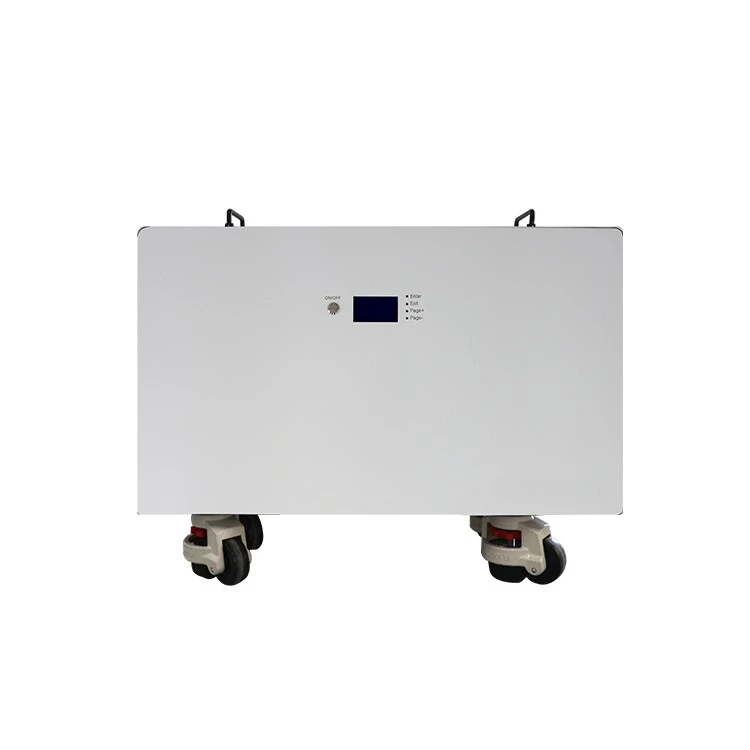
At our company, we are committed to providing high-quality lithium battery solutions that meet the needs of our customers. We offer a wide range of products, including Rack mounted lithium battery packs, industrial lithium ion battery packs, and Lithium Iron Phosphate Battery pack Solar. Our products are designed to provide reliable and efficient energy storage solutions for a variety of applications, including renewable energy systems, electric vehicles, and portable electronics.
If you are interested in learning more about our lithium battery products or would like to discuss your specific requirements, please contact us today. We look forward to working with you to find the best energy storage solution for your needs.
References
- Arora, P., Zhang, Z., & White, R. E. (2004). Battery separators. Chemical Reviews, 104(10), 4419-4462.
- Goodenough, J. B., & Kim, Y. (2010). Challenges for rechargeable Li batteries. Chemistry of Materials, 22(3), 587-603.
- Tarascon, J. M., & Armand, M. (2001). Issues and challenges facing rechargeable lithium batteries. Nature, 414(6861), 359-367.