

Power density is a crucial parameter in the realm of battery technology, and it plays a significant role in determining the performance of lithium iron phosphate (LiFePO4) batteries. As a supplier of lithium iron phosphate batteries, I have witnessed firsthand how power density can influence various aspects of battery performance. In this blog post, I will delve into the relationship between power density and the performance of LiFePO4 batteries, exploring its impact on energy storage, charging and discharging rates, and overall battery lifespan.
Understanding Power Density
Before we discuss how power density affects battery performance, it's essential to understand what power density is. Power density refers to the amount of power that can be delivered by a battery per unit volume or mass. It is typically measured in watts per liter (W/L) or watts per kilogram (W/kg). A battery with a high power density can deliver a large amount of power in a short period, while a battery with a low power density delivers power more slowly.
In the context of LiFePO4 batteries, power density is influenced by several factors, including the battery's electrode materials, electrolyte composition, and cell design. By optimizing these factors, battery manufacturers can increase the power density of LiFePO4 batteries, allowing them to deliver more power more efficiently.
Impact on Energy Storage
One of the primary ways power density affects the performance of LiFePO4 batteries is through its impact on energy storage. A battery's energy storage capacity is determined by its energy density, which is the amount of energy that can be stored in a battery per unit volume or mass. While power density and energy density are related, they are not the same thing. A battery can have a high energy density but a low power density, meaning it can store a lot of energy but deliver it slowly.
In general, LiFePO4 batteries with higher power densities can charge and discharge more quickly, which can be beneficial for applications that require rapid energy transfer. For example, in electric vehicles (EVs), a high-power-density battery can provide the quick acceleration needed for a smooth driving experience. However, increasing power density often comes at the expense of energy density. As the power density of a LiFePO4 battery increases, its energy density may decrease, resulting in a shorter driving range for EVs.
Therefore, battery manufacturers must strike a balance between power density and energy density when designing LiFePO4 batteries for different applications. For applications that require high energy storage capacity, such as stationary energy storage systems, a lower power density with a higher energy density may be more suitable. On the other hand, for applications that require rapid power delivery, such as power tools and EVs, a higher power density may be preferred.
Influence on Charging and Discharging Rates
Power density also has a significant impact on the charging and discharging rates of LiFePO4 batteries. A battery with a high power density can charge and discharge at a faster rate than a battery with a low power density. This is because a high-power-density battery has a lower internal resistance, which allows for more efficient electron flow during charging and discharging.
Faster charging rates are particularly important for applications where downtime needs to be minimized. For example, in the case of electric vehicles, a high-power-density LiFePO4 battery can be charged in a shorter time, reducing the time spent at charging stations. Similarly, in portable electronic devices, such as smartphones and laptops, a high-power-density battery can be recharged quickly, allowing users to get back to using their devices sooner.
However, charging and discharging a LiFePO4 battery at a high rate can also generate more heat, which can affect the battery's performance and lifespan. High temperatures can cause the battery's electrolyte to break down, leading to a decrease in battery capacity and an increase in internal resistance. Therefore, it is essential to manage the charging and discharging rates of LiFePO4 batteries carefully to ensure optimal performance and longevity.
Effect on Battery Lifespan
The power density of a LiFePO4 battery can also affect its lifespan. Batteries with higher power densities are often subjected to more stress during charging and discharging, which can lead to faster degradation of the battery's electrodes and electrolyte. Over time, this can result in a decrease in battery capacity and an increase in internal resistance, ultimately reducing the battery's lifespan.
To mitigate the impact of high power density on battery lifespan, battery manufacturers use various techniques, such as advanced electrode materials and thermal management systems. Advanced electrode materials can improve the battery's stability and resistance to degradation, while thermal management systems can help dissipate heat generated during charging and discharging, keeping the battery at a safe operating temperature.
In addition, proper battery management is crucial for extending the lifespan of LiFePO4 batteries. This includes avoiding overcharging and over-discharging the battery, as well as charging and discharging the battery at a moderate rate. By following these best practices, users can ensure that their LiFePO4 batteries last as long as possible.
Applications and Considerations
The performance characteristics of LiFePO4 batteries make them suitable for a wide range of applications. Some of the most common applications include electric vehicles, renewable energy storage systems, and portable electronic devices.
In electric vehicles, LiFePO4 batteries are increasingly being used due to their high safety, long lifespan, and relatively high power density. However, as mentioned earlier, the trade-off between power density and energy density must be carefully considered to ensure that the vehicle has an adequate driving range.
Renewable energy storage systems, such as solar and wind power storage, also benefit from the high power density of LiFePO4 batteries. These systems require batteries that can store energy efficiently and deliver it quickly when needed. LiFePO4 batteries can meet these requirements, making them an ideal choice for renewable energy applications.
Portable electronic devices, such as smartphones, laptops, and power tools, also rely on LiFePO4 batteries for their power needs. The high power density of these batteries allows for quick charging and long battery life, providing users with a convenient and reliable power source.
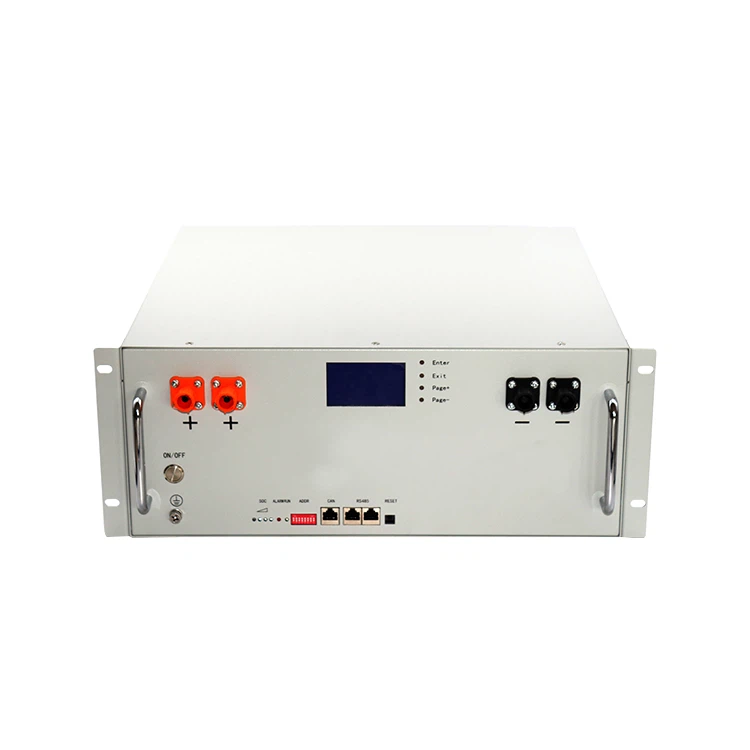

When selecting a LiFePO4 battery for a specific application, it is important to consider the power density requirements of the application. Factors such as the required charging and discharging rates, energy storage capacity, and battery lifespan should all be taken into account. By choosing the right battery with the appropriate power density, users can ensure optimal performance and efficiency for their applications.
Conclusion
In conclusion, power density is a critical factor that affects the performance of lithium iron phosphate batteries in various ways. It influences energy storage, charging and discharging rates, and battery lifespan. As a supplier of Lifepo4 Lithium Iron Phosphate Battery pack, we understand the importance of balancing power density with other performance characteristics to meet the diverse needs of our customers.
Whether you are looking for a 51.2v Lithium Ion Battery Backup for your electric vehicle, a Lithium Iron Phosphate Battery Backup for your renewable energy system, or a battery for your portable electronic device, we can provide you with high-quality LiFePO4 batteries that meet your specific requirements.
If you are interested in learning more about our LiFePO4 batteries or would like to discuss your battery needs, please feel free to contact us. We are always happy to help you find the best battery solution for your application.
References
- Arora, P., & White, R. E. (1998). Comparison of Modeling Predictions with Experimental Data from Plastic Lithium-Ion Cells. Journal of The Electrochemical Society, 145(10), 3647-3669.
- Goodenough, J. B., & Kim, Y. (2010). Challenges for Rechargeable Li Batteries. Chemistry of Materials, 22(3), 587-603.
- Tarascon, J. M., & Armand, M. (2001). Issues and Challenges Facing Rechargeable Lithium Batteries. Nature, 414(6861), 359-367.