

Yo, what's up everyone! I'm a supplier of lithium battery low voltage products, and today I wanna talk about how temperature affects the low - voltage situation of a lithium battery. It's a topic that's super important, especially for those who rely on these batteries in their daily lives or businesses.
First off, let's get a basic understanding of lithium batteries. Lithium batteries are everywhere these days, from our smartphones to electric cars. They're popular because they have a high energy density, long lifespan, and low self - discharge rate. But when it comes to low - voltage situations, things can get a bit tricky, and temperature plays a huge role.
How Temperature Affects Battery Chemistry
Lithium batteries work based on a chemical reaction. Inside the battery, lithium ions move from the negative electrode (anode) to the positive electrode (cathode) during discharge and vice versa during charging. Temperature can have a significant impact on this ion movement.
When the temperature is low, the chemical reactions in the battery slow down. The electrolyte, which is responsible for carrying the lithium ions between the electrodes, becomes more viscous. This increased viscosity makes it harder for the lithium ions to move freely. As a result, the battery's internal resistance increases. You can think of it like trying to push a ball through a thick, sticky liquid instead of water. With higher internal resistance, the voltage output of the battery drops, leading to a low - voltage situation.

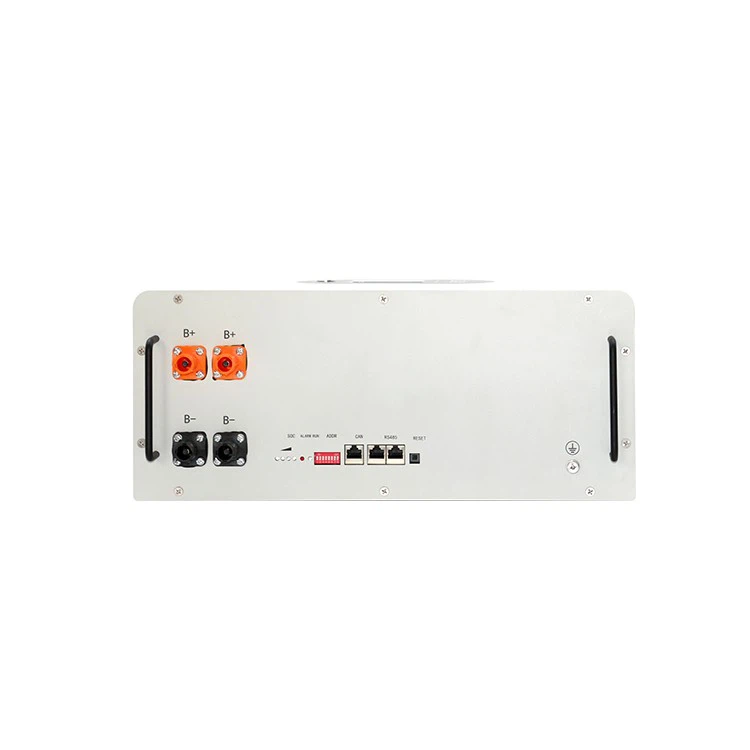
On the flip side, high temperatures can also cause problems. At high temperatures, the chemical reactions in the battery speed up too much. This can lead to the breakdown of the electrolyte and the electrodes. The electrodes may start to degrade, and the battery's capacity can decrease over time. Additionally, high temperatures can cause the battery to self - discharge more rapidly. This means that even when the battery is not in use, it loses its charge, which can also result in a low - voltage situation.
Real - World Impacts of Temperature on Low - Voltage
Let's take a look at some real - world scenarios. If you've ever used your smartphone in cold weather, you might have noticed that the battery seems to die much faster than usual. That's because the low temperature is causing the battery to enter a low - voltage state more quickly. In extreme cold, the battery might even shut down completely to protect itself from damage.
For electric vehicles, temperature can also be a major factor. In winter, the range of an electric car can be significantly reduced. This is due to the low - voltage situation caused by the cold temperature. The battery has to work harder to provide the same amount of power, and its efficiency drops.
On the other hand, in hot climates, batteries in solar energy storage systems can face challenges. These batteries are often used to store energy generated by solar panels during the day for use at night. High daytime temperatures can cause the batteries to experience low - voltage situations, reducing their ability to store and release energy effectively.
How We Can Mitigate These Effects
As a supplier of Low Voltage Lithium Ion Battery Systems, we're constantly working on solutions to mitigate the effects of temperature on low - voltage situations.
One approach is to use battery management systems (BMS). A BMS can monitor the temperature of the battery and adjust the charging and discharging processes accordingly. For example, if the temperature is too low, the BMS can limit the charging current to prevent damage to the battery. It can also provide a warning when the battery is approaching a low - voltage state.
Another solution is to use thermal management systems. These systems can keep the battery at an optimal temperature range. In cold weather, they can heat the battery to improve its performance, and in hot weather, they can cool it down to prevent overheating.
We also offer Low Voltage Lithium Battery products that are designed to be more resistant to temperature changes. These batteries use advanced materials and designs to ensure better performance in a wider range of temperatures.
Wall - Mounted Lithium Battery Packs and Temperature
Our Wall Mounted Lithium Battery pack is a popular product, and temperature management is crucial for its performance. When installed in a home or a commercial building, these battery packs need to be able to operate effectively regardless of the outside temperature.
We've designed our wall - mounted battery packs with built - in thermal management features. They have insulation to protect the battery from extreme temperatures and fans or heat sinks to regulate the temperature inside the pack. This ensures that the battery pack can maintain a stable voltage output, even in challenging temperature conditions.
Why Choose Our Low - Voltage Lithium Batteries
When it comes to choosing a low - voltage lithium battery supplier, there are several reasons why you should consider us.
First of all, our products are of high quality. We use the latest technology and the best materials to ensure that our batteries have a long lifespan and reliable performance. Our batteries are also tested rigorously to meet international standards.
Secondly, we offer excellent customer service. Our team of experts is always ready to answer your questions and provide you with technical support. Whether you're a small business owner or a large corporation, we can help you find the right battery solution for your needs.
Finally, we're committed to innovation. We're constantly researching and developing new products to improve the performance of our batteries, especially in terms of temperature resistance.
If you're interested in our Low Voltage Lithium Ion Battery Systems, Low Voltage Lithium Battery, or Wall Mounted Lithium Battery pack, don't hesitate to reach out. We're here to help you with all your low - voltage lithium battery needs. Let's start a conversation and see how we can work together to meet your power requirements.
References
- "Lithium - Ion Batteries: Science and Technologies" by Yoshio Nishi, Masaki Yoshio, and Akihiro Kozawa.
- "Battery Management Systems: Design by Modeling" by Andrei Stefan.
- Various research papers on battery performance and temperature effects from academic journals.