

As a supplier of lithium batteries for home use, I've seen firsthand the importance of extending the lifespan of these powerhouses. Lithium batteries are a game-changer for home energy storage, offering reliability and efficiency. But like any good thing, they need a bit of TLC to last as long as possible. In this blog, I'll share some tips and tricks that I've gathered over the years to help you get the most out of your home lithium battery.
Understanding Your Lithium Battery
Before we dive into the ways to extend its life, let's take a quick look at how lithium batteries work. Lithium batteries are rechargeable and use lithium ions to move between the anode and cathode during charging and discharging. This movement of ions is what creates the electrical current that powers your home.
There are different types of lithium batteries, such as lithium-ion, lithium-polymer, and lithium iron phosphate (LiFePO4). Each type has its own characteristics, but they all share the same basic principle. For home use, LiFePO4 batteries are often a popular choice because they are safer, have a longer lifespan, and are more environmentally friendly.
If you're interested in learning more about the different types of lithium batteries for home use, you can check out our Lithium Battery for Home Use page.
Temperature Management
One of the biggest factors that can affect the lifespan of a lithium battery is temperature. Lithium batteries prefer to operate in a moderate temperature range, typically between 20°C and 25°C (68°F and 77°F). When the temperature gets too high or too low, it can cause the battery to degrade faster.
- High Temperatures: When a lithium battery is exposed to high temperatures, the chemical reactions inside the battery speed up. This can lead to the formation of a solid electrolyte interface (SEI) layer on the anode, which can increase the internal resistance of the battery and reduce its capacity. High temperatures can also cause the electrolyte to break down, which can lead to a loss of performance and a shorter lifespan.
- Low Temperatures: On the other hand, low temperatures can slow down the chemical reactions inside the battery, which can reduce its capacity and make it harder to charge. In extreme cold, the battery may even stop working altogether.
To manage the temperature of your home lithium battery, you can:
- Install the Battery in a Cool Location: Avoid installing the battery in direct sunlight or near a heat source, such as a furnace or water heater. A basement or a well-ventilated storage room is a good option.
- Use a Battery Thermal Management System (BTMS): A BTMS can help regulate the temperature of the battery by heating or cooling it as needed. This can help extend the lifespan of the battery and improve its performance.
- Monitor the Temperature: Use a temperature sensor to monitor the temperature of the battery and make sure it stays within the recommended range. If the temperature gets too high or too low, take action to adjust it.
Charge and Discharge Management
Another important factor that can affect the lifespan of a lithium battery is how you charge and discharge it. Lithium batteries have a limited number of charge-discharge cycles, so it's important to use them wisely.
- Avoid Overcharging: Overcharging a lithium battery can cause it to overheat, which can damage the battery and reduce its lifespan. To avoid overcharging, use a charger that is designed for your specific battery and follow the manufacturer's instructions.
- Avoid Deep Discharging: Deep discharging a lithium battery can also cause it to degrade faster. It's best to keep the battery's state of charge (SOC) between 20% and 80%. If you need to discharge the battery to a lower level, try to do it slowly and avoid discharging it completely.
- Use a Smart Charger: A smart charger can help you manage the charging process more effectively. It can automatically adjust the charging current and voltage based on the battery's SOC and temperature, which can help extend the lifespan of the battery.
If you're looking for a high-quality charger for your home lithium battery, you can check out our Lithium Storage Battery pack, which comes with a smart charger.
Maintenance and Care
In addition to temperature and charge-discharge management, regular maintenance and care can also help extend the lifespan of your home lithium battery.
- Keep the Battery Clean: Dust and dirt can accumulate on the battery over time, which can affect its performance. Use a soft, dry cloth to clean the battery regularly and make sure it is free of debris.
- Check the Battery Connections: Loose or corroded battery connections can cause the battery to overheat or lose power. Check the battery connections regularly and make sure they are tight and clean.
- Perform Regular Inspections: It's a good idea to perform regular inspections of your battery to check for any signs of damage or wear. Look for cracks, leaks, or other signs of damage, and if you notice anything unusual, contact a professional for assistance.
Storage
If you need to store your home lithium battery for an extended period of time, it's important to do it properly to avoid damage.
- Charge the Battery to 50%: Before storing the battery, charge it to about 50% of its capacity. This can help prevent the battery from self-discharging and losing its capacity over time.
- Store the Battery in a Cool, Dry Place: Store the battery in a cool, dry place away from direct sunlight and heat sources. The ideal storage temperature is between 10°C and 20°C (50°F and 68°F).
- Check the Battery Regularly: Even when the battery is in storage, it's a good idea to check it regularly to make sure it is still in good condition. If the battery's SOC drops below 20%, charge it back up to 50%.
Conclusion
Extending the lifespan of a home lithium battery is all about proper management and care. By following the tips and tricks outlined in this blog, you can help your battery last longer and perform better. Remember, a well-maintained lithium battery can save you money in the long run and provide you with reliable power for your home.
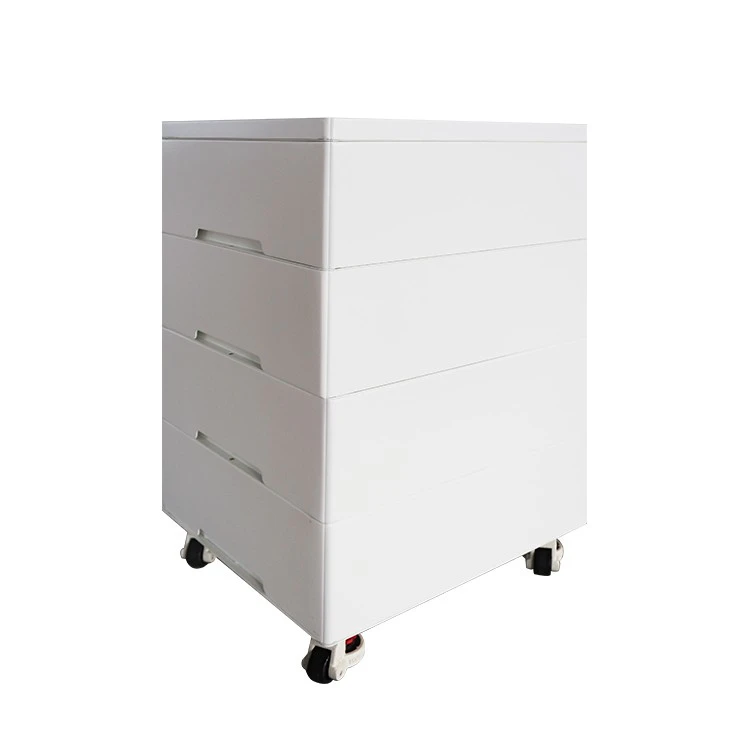
If you're interested in purchasing a high-quality lithium battery for your home, we offer a wide range of Lithium Battery Module that are designed to meet your specific needs. Our batteries are made with the latest technology and are built to last.

If you have any questions or would like to discuss your battery requirements, please don't hesitate to contact us. We're here to help you find the best solution for your home energy storage needs.
References
- "Lithium-Ion Batteries: Science and Technologies." Edited by Gholam-Abbas Nazri and Gianfranco Pistoia. Springer, 2009.
- "Battery Management Systems: Design by Modelling." By Michael Pecht, et al. Wiley, 2010.