

Hey there! If you're in the energy game, you've probably heard about microgrids. They're like the cool kids on the block in the world of energy distribution, offering a more localized and flexible way to manage power. As an ESS battery pack supplier, I get asked a lot, "Can an ESS battery pack be used in a microgrid?" Well, let's dive right in and explore this question.
First off, let's quickly understand what we're talking about. An ESS Battery Pack is a collection of battery cells grouped together to store electrical energy. It's like a big energy piggy bank that you can charge up when there's extra power available and then use that stored energy when you need it. On the other hand, a microgrid is a small-scale power grid that can operate independently or in conjunction with the main power grid. It can include various energy sources like solar panels, wind turbines, and even diesel generators.
So, can an ESS battery pack fit into this microgrid setup? The short answer is a resounding yes! In fact, ESS battery packs are becoming an increasingly popular choice for microgrids, and here's why.
Energy Storage and Management
One of the biggest challenges with renewable energy sources like solar and wind is their intermittent nature. The sun doesn't always shine, and the wind doesn't always blow. This is where an ESS battery pack comes in handy. It can store the excess energy generated during peak production times and release it when the renewable sources aren't producing enough power. For example, during the day when the sun is shining bright, a solar panel in a microgrid can generate more electricity than is currently needed. The excess energy can be stored in the ESS battery pack. Then, at night or on cloudy days, that stored energy can be used to power the microgrid, ensuring a continuous and reliable power supply.
This energy storage and management function also helps in load balancing. In a microgrid, the power demand can vary throughout the day. There might be times when the demand is high, like during the evening when people are using more appliances at home. An ESS battery pack can quickly release stored energy to meet this high demand, preventing power outages and ensuring a stable power supply.
Grid Independence and Resilience
Microgrids are often set up in areas where the main power grid is unreliable or non-existent. They offer a degree of independence from the traditional grid. An ESS battery pack enhances this independence by providing a backup power source. In case of a power outage in the main grid, the microgrid can continue to operate using the energy stored in the battery pack. This is especially important for critical facilities like hospitals, data centers, and military installations, where a continuous power supply is crucial.
Moreover, an ESS battery pack can help in improving the resilience of the microgrid. It can quickly respond to sudden changes in power supply or demand, such as a sudden drop in wind power due to a calm spell. By releasing stored energy, it can maintain the stability of the microgrid and prevent disruptions.

Cost Savings
Using an ESS battery pack in a microgrid can also lead to significant cost savings. By storing excess energy during off-peak hours when electricity prices are low and using it during peak hours when prices are high, the microgrid can reduce its overall electricity costs. Additionally, it can help in avoiding the need for expensive upgrades to the main power grid infrastructure. For example, instead of building new transmission lines to bring more power to a remote area, a microgrid with an ESS battery pack can be set up to meet the local power demand more cost-effectively.
Integration with Other Components
ESS battery packs are designed to be easily integrated with other components of a microgrid. They can be connected to solar panels, wind turbines, and other power generation sources, as well as to the distribution system of the microgrid. This seamless integration allows for efficient energy flow and management within the microgrid.
In addition to the above benefits, ESS battery packs also come in different sizes and capacities, making them suitable for a wide range of microgrid applications. Whether it's a small residential microgrid or a large industrial one, there's an ESS battery pack that can meet the specific energy storage needs.
Now, let's talk about the different types of ESS battery packs that are commonly used in microgrids.
Lithium-Ion Batteries
Lithium-ion batteries are the most popular choice for ESS battery packs in microgrids. They offer high energy density, which means they can store a large amount of energy in a relatively small space. They also have a long cycle life, which means they can be charged and discharged many times without significant degradation. Additionally, lithium-ion batteries have a fast charging and discharging rate, making them ideal for quickly responding to changes in power supply and demand in a microgrid.
Lead-Acid Batteries
Lead-acid batteries are another option for ESS battery packs. They are relatively inexpensive and have been used in energy storage applications for a long time. However, they have a lower energy density compared to lithium-ion batteries and a shorter cycle life. They are more suitable for small-scale microgrids with lower energy storage requirements.
Flow Batteries
Flow batteries are a newer type of battery technology that is gaining popularity in microgrid applications. They offer a high energy storage capacity and a long cycle life. They are also very flexible in terms of their design and can be easily scaled up or down depending on the energy storage needs of the microgrid.
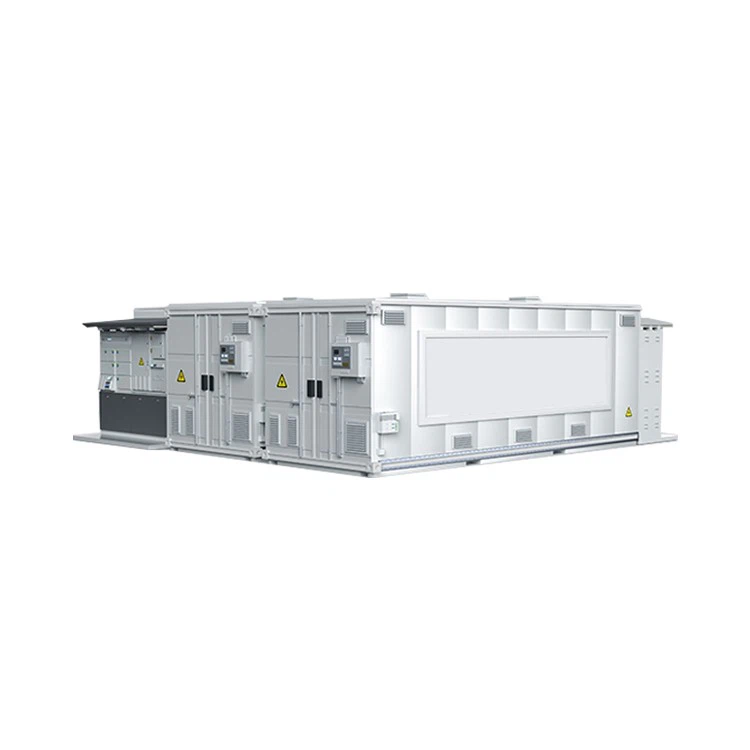
As an ESS battery pack supplier, we offer a wide range of ESS Battery System options to suit different microgrid requirements. Our ess module battery products are designed with the latest technology to ensure high performance, reliability, and safety.
If you're considering setting up a microgrid or looking to upgrade your existing one, an ESS battery pack could be the perfect addition. It can help you achieve better energy management, grid independence, cost savings, and overall resilience.
We understand that every microgrid project is unique, and we're here to help you find the right ESS battery pack solution for your specific needs. Whether you need a small battery pack for a residential microgrid or a large-scale system for an industrial application, we've got you covered.
So, if you're interested in learning more about our ESS battery packs and how they can be used in your microgrid, don't hesitate to reach out. We'd love to have a chat with you, discuss your requirements, and provide you with a customized solution. Let's work together to build a more sustainable and reliable energy future with microgrids and ESS battery packs.
References
- Smith, J. (2020). Energy Storage in Microgrids: Technologies and Applications. Journal of Energy Storage, 32, 101567.
- Johnson, A. (2019). The Role of Battery Energy Storage Systems in Microgrid Resilience. IEEE Transactions on Smart Grid, 10(3), 3120-3128.
- Brown, C. (2021). Battery Technologies for Microgrid Energy Storage: A Comparative Analysis. Renewable and Sustainable Energy Reviews, 145, 110987.