

Can a lithium battery with low voltage be recharged? Well, that's a question I get asked a lot as a supplier of low voltage lithium batteries. In this blog, I'm gonna break it down for you and share some insights based on my experience in the industry.
First off, let's understand what a low - voltage lithium battery is. Lithium batteries come in all shapes and sizes, and different types have different nominal voltages. For example, a common lithium - ion battery might have a nominal voltage of 3.7V, while a Lithium Iron Phosphate Battery 48v 100ah has a nominal voltage of 48V. When we say a lithium battery has a low voltage, it means its voltage has dropped below the normal operating range.
There are several reasons why a lithium battery might end up with a low voltage. One of the most common reasons is over - discharging. If you keep using a lithium battery until it's completely drained, its voltage will drop significantly. Another reason could be a long period of storage without proper charging. Over time, self - discharge can cause the battery's voltage to decrease. Also, issues like a faulty charger or a damaged battery cell can lead to low voltage.
Now, the big question: can it be recharged? The answer is usually yes, but there are some caveats.
The Rechargeability of Low - Voltage Lithium Batteries
Most of the time, a lithium battery with low voltage can be recharged. When a lithium battery's voltage is low but still within a certain range, a proper charger can bring it back to its normal state. For instance, if a lithium - ion battery's voltage has dropped to around 2.5V - 3V (while its nominal is 3.7V), a charger can gradually increase the voltage and charge the battery.
However, if the voltage has dropped too low, there might be problems. Lithium batteries have a cut - off voltage, which is the minimum voltage below which the battery should not go. If the battery's voltage goes below this cut - off point for an extended period, it can cause irreversible damage to the battery cells. This damage can include the formation of metal deposits on the electrodes, which can reduce the battery's capacity and lifespan, or even make it completely non - functional.
Recharging Process
When recharging a low - voltage lithium battery, it's crucial to use the right charger. A charger designed for lithium batteries has built - in safety features to prevent over - charging and over - discharging. For Low Voltage Lithium Battery, the charger will first supply a small amount of current to the battery in a process called "trickle charging". This helps to gradually raise the battery's voltage to a level where normal charging can start.
Once the battery's voltage reaches a certain point, the charger will switch to a constant - current charging mode. In this mode, the charger supplies a steady current to the battery until the battery's voltage reaches a set level. After that, the charger switches to a constant - voltage charging mode, where it maintains a constant voltage while the current gradually decreases as the battery becomes fully charged.

Our Offerings
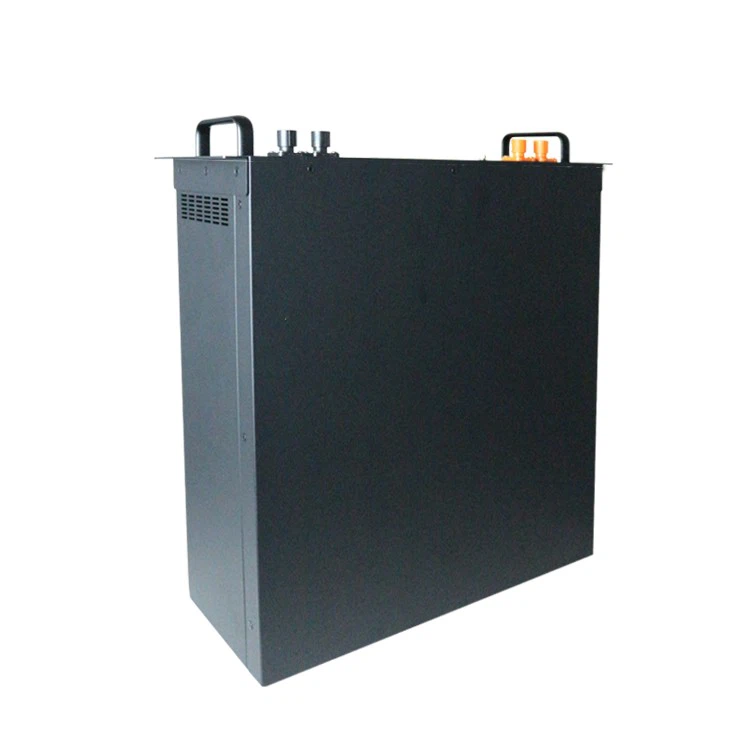
As a supplier of low - voltage lithium batteries, I'm proud to say that we offer a wide range of products. Our Wall Mounted Lithium Battery pack is a great option for those who need a space - saving and efficient energy storage solution. These batteries are designed to be durable and reliable, even when they experience low - voltage situations.
We also provide high - quality chargers that are specifically designed for our low - voltage lithium batteries. Our chargers are equipped with the latest safety features to ensure that your batteries are charged safely and efficiently. Whether you're using our batteries for solar power storage, electric vehicles, or other applications, we've got you covered.
Tips for Maintaining Lithium Batteries
To avoid having to deal with low - voltage situations too often, here are some tips for maintaining your lithium batteries:
- Avoid over - discharging: Try not to use your lithium battery until it's completely empty. Most lithium batteries have a built - in protection circuit to prevent over - discharging, but it's still a good practice to recharge the battery when it reaches around 20% - 30% capacity.
- Proper storage: If you're not going to use the battery for a long time, store it at a moderate temperature and with a charge level of around 50%. This helps to reduce self - discharge and prevent damage to the battery cells.
- Use the right charger: Always use a charger that is compatible with your lithium battery. Using the wrong charger can lead to over - charging, over - discharging, or other problems.
Conclusion
In conclusion, a lithium battery with low voltage can usually be recharged, but it depends on how low the voltage has dropped. By following the right recharging process and taking proper care of your lithium batteries, you can extend their lifespan and ensure their optimal performance.
If you're in the market for low - voltage lithium batteries or have any questions about recharging them, don't hesitate to reach out. We're here to help you find the best solutions for your energy storage needs. Whether you're a small business owner looking for a reliable power source or an individual interested in renewable energy, we've got the products and expertise to meet your requirements. Contact us today to start a conversation about your battery needs and let's work together to find the perfect solution for you.
References
- Linden, D., & Reddy, T. B. (2002). Handbook of Batteries. McGraw - Hill.
- Tarascon, J. M., & Armand, M. (2001). Issues and challenges facing rechargeable lithium batteries. Nature, 414(6861), 359 - 367.