

Can a lithium battery for home use be used in a shed? This is a question that many homeowners and DIY enthusiasts often ask. As a supplier of lithium batteries for home use, I'm here to provide you with a comprehensive answer based on scientific knowledge and practical experience.
Understanding Lithium Batteries for Home Use
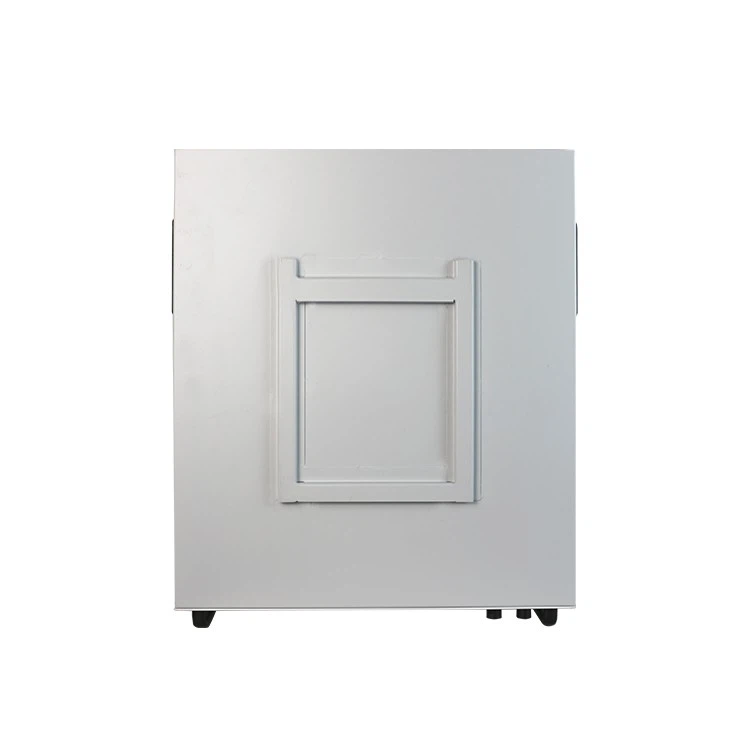
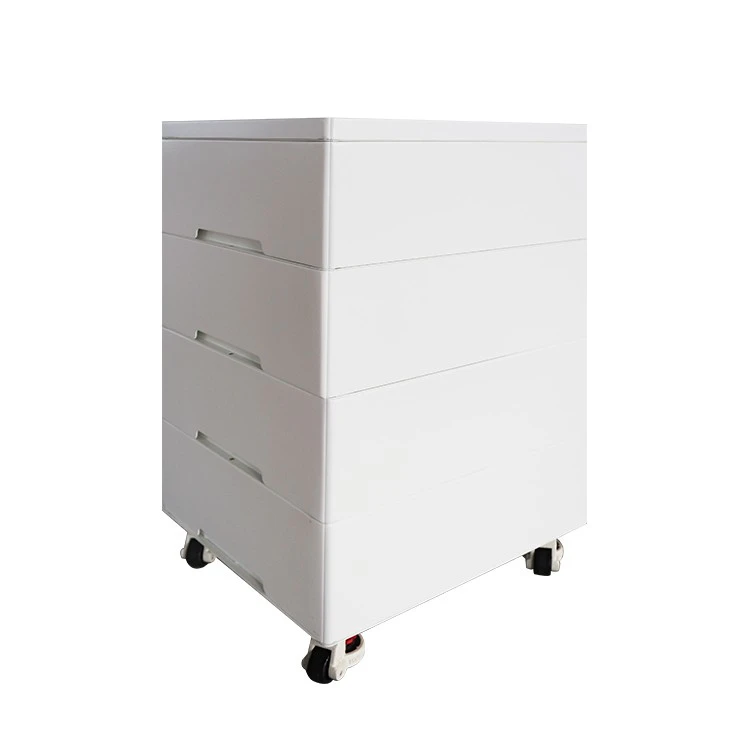
Lithium batteries have become increasingly popular for home use due to their high energy density, long lifespan, and low self - discharge rate. They are commonly used for solar energy storage, powering small appliances, and as backup power sources. For instance, our Lithium Ion Battery for Solar Energy Storage is designed to store excess solar energy during the day and release it when needed, ensuring a stable power supply for your home.
Suitability of Using Home - Use Lithium Batteries in a Shed
Advantages
- Space Utilization: A shed often provides additional space that can be used to store the lithium battery. This can free up space in the main house, especially if the battery is large.
- Isolation: If there are any potential safety issues with the battery, such as overheating or a small fire risk, having the battery in a shed can isolate these risks from the main living area.
- Ventilation: Many sheds have better natural ventilation compared to indoor spaces in the house. Good ventilation is crucial for lithium batteries as it helps dissipate heat generated during charging and discharging, reducing the risk of overheating.
Disadvantages
- Temperature Extremes: Sheds can experience more extreme temperature variations compared to the inside of a house. Lithium batteries are sensitive to temperature. If the temperature in the shed is too high (above 60°C), it can accelerate the degradation of the battery and reduce its lifespan. On the other hand, if the temperature is too low (below - 20°C), the battery's performance will be significantly reduced, and it may even stop working.
- Moisture and Humidity: Sheds are often less protected from the elements compared to the main house. High humidity or moisture can cause corrosion on the battery terminals and other components, leading to poor electrical connections and potential damage to the battery.
- Security: Sheds may not be as secure as the main house. There is a risk of theft or vandalism, which can damage the battery or result in the loss of a valuable asset.
Factors to Consider
- Temperature Management: To use a lithium battery in a shed, you need to ensure proper temperature control. This can be achieved by insulating the shed, installing a heater in cold weather, or using a cooling system in hot weather. For example, you can use a thermostat - controlled heater to keep the temperature above the minimum operating temperature of the battery.
- Mo moisture Protection: To protect the battery from moisture, you can place the battery on a raised platform and use a moisture - proof cover. Additionally, ensuring that the shed has a proper roof and is sealed against water leaks is essential.
- Security Measures: Install security features such as locks, alarms, or surveillance cameras in the shed to protect the battery from theft and vandalism.
Our Product Offerings
We offer a range of lithium batteries suitable for home use, including Lithium Storage Battery pack and Lithium Battery Module. Our batteries are designed with advanced safety features, such as over - charge protection, over - discharge protection, and short - circuit protection. They are also built to withstand a certain range of temperature and humidity conditions, but proper installation and environmental management are still necessary.
Conclusion
In conclusion, a lithium battery for home use can be used in a shed, but it requires careful consideration of various factors such as temperature, moisture, and security. If you can address these issues effectively, using a lithium battery in a shed can be a practical and cost - effective solution for your home energy storage needs.
If you are interested in our lithium batteries for home use and want to discuss your specific requirements, we welcome you to reach out to us for a procurement negotiation. Our team of experts is ready to provide you with detailed information and customized solutions to meet your energy storage needs.
References
- "Lithium - Ion Batteries: Science and Technologies" by Y. M. Chiang, S. A. Newman, and others.
- "Battery Management Systems: Design by Modelling" by P. G. Renaud, S. Piller, and others.